New year, new you: 7 reasons to consider cosmetic dentistry in 2023
- Written by NewsServices.com
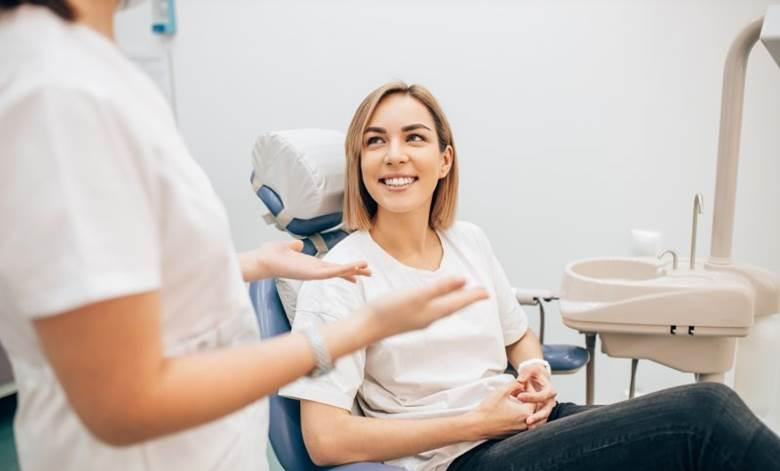
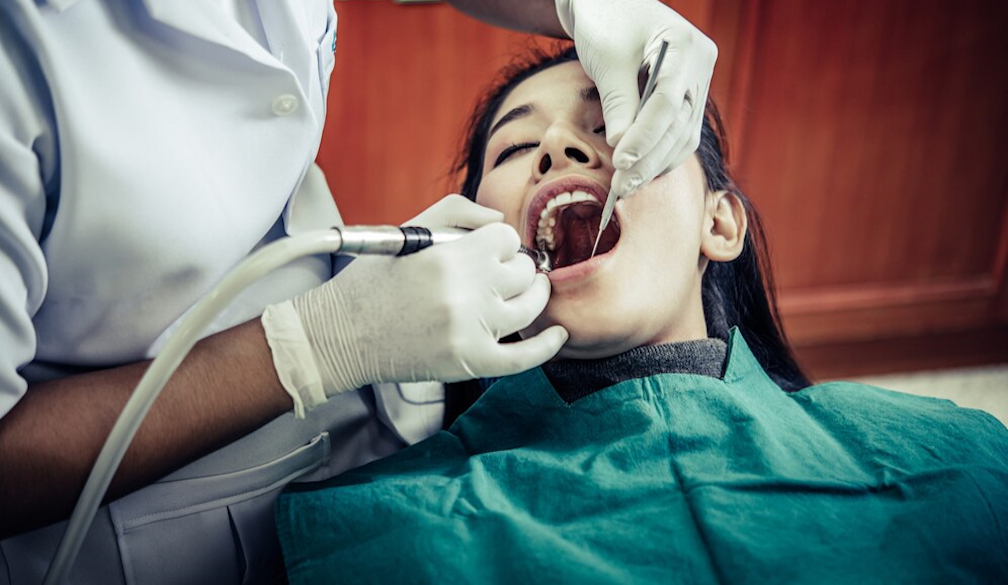
If you spent 2022 worrying about your smile then stop now - there is a way you can enhance it! Cosmetic dentistry is designed to improve the smile’s aesthetic, with highly skilled and experienced dentists working to fix any broken, cracked, chipped, crooked, discoloured and uneven teeth!
So, if you’ve been stressed about your set, here are five potentially life-changing reasons to consider the best cosmetic dentistry South Yarra in 2023:
-
It can enhance your smile’s aesthetic
Regardless of the problem your teeth are facing, this treatment can likely help you achieve a brighter, healthier and more youthful smile! This treatment form can essentially improve all dental imperfections, so regardless of what style you choose you will likely come out happy with the results!
-
It enhances oral health
Severely crooked teeth are not just an aesthetic problem - crooked teeth can actually irritate your oral health, too. In the same way cracked and decayed teeth cause other oral problems like periodontal disease and jaw pain, crooked teeth can also create similar disturbances. You can maintain your oral health, reduce pain and improve your smile’s aesthetic simultaneously!
-
It can improve your self-confidence
Perhaps one of the key reasons people enlist the help of cosmetic dentistry is to improve their self-confidence. Many people are highly self-conscious about their dental perfections, and for this reason they seek this treatment. This wonderful treatment method can potentially improve your self-confidence, especially if it was your smile that was dragging it down!
-
The effects can be incredibly long-lasting
This treatment method can have a wonderful impact on your smile and for a very long time. The effects of such a treatment can last far more than a decade and will save you money on regular, ongoing dental procedures. If you are looking to improve your smile’s aesthetic and save money in the process then this could be the perfect treatment option for you.
-
You can choose a custom treatment plan
One of the wonderful things about this treatment form is that there is not just one set solution - you can actually choose a range of treatments and combine them into an overall treatment plan! If you have been concerned about a number of dental issues then you will be happy to know that can enlist a couple of solutions to potentially beautify your smile whilst improving your oral health and hygiene.
-
There is a shorter recovery period
Cosmetic dentistry has come a long way in recent years, so much so that recovery times are now incredibly short! You don’t have to wait days or weeks to start eating again, and treatments like bonding and porcelain veneers don’t require any downtime at all - you can get straight back into your routine as if it was nothing!
-
It can youthify your smile
So, if one of the things that was making you most self-conscious about your smile was your appearance, and that you felt your smile made you look older, this can be the perfect solution to the problem! For example, if you have been worried about your teeth discolouration with age then you may be happy to know that you can receive a treatment that returns them to a more youthful, pearly shade.
This, and the other above-listed reasons, are exactly why you might want to consider this awesome treatment solution in 2023. You can achieve a more youthful smile with improved oral health and hygiene, and at the end of the day these are three pretty fantastic things!