Creating Shade-Loving Gardens for Shady Cammeray Backyards
- Written by The Express
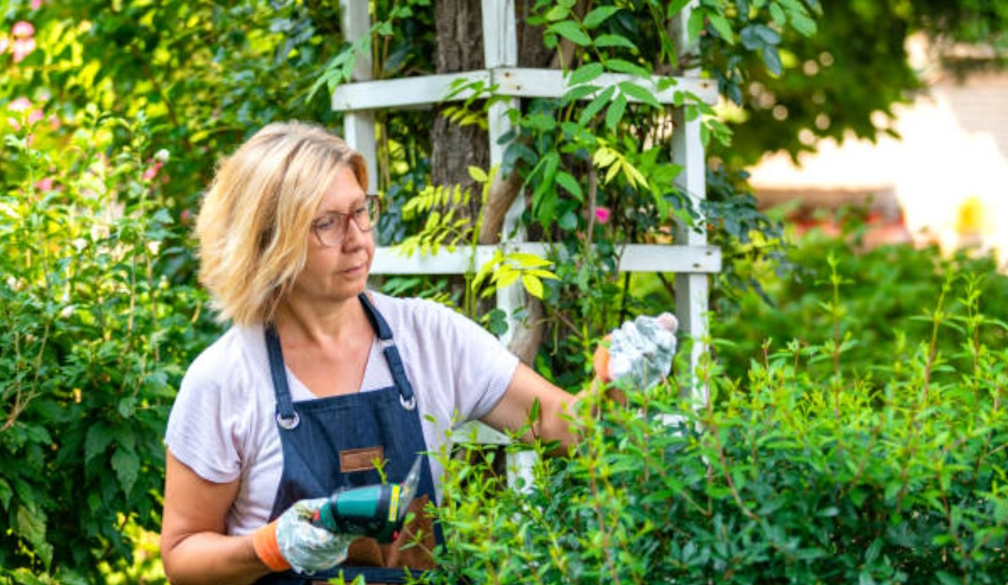
Most of the Cammeray gardens are not getting direct sunlight because of the topography and heavy tree coverings. A shade-lover's garden will fill in the dark areas of these gardens with foliage and brighten up these dark places. The idea would be to pick plants that like low light and good soil. Some candidates for lightening up the shady corners are ferns, hosts and native ground covers. With the proper design, a shaded yard can be made into an ideal lush and pleasant setting. A balanced low-maintenance garden can be created through the right ground covers, appropriate planting, and composting.
Seasonal Gardening in Cammeray: What to Plant and When
Cammeray's climate is ideal for gardening Cammeray various types of flora throughout the year; yet, adequate preparation boosts one's garden yield. In fact, spring is considered the best season to sow leafy green vegetables, herbs, and hardy flowering plants. Warm weather during summer increases the crop yield of tomato, beans, and any other crop requiring more sunlight. Root crops such as carrots and beets are planted during fall. There are other crops that also need less sunlight, and these will be planted during the fall season. Some of these crops include winter greens, hardy herbs, and evergreen plants. The coordination of planting times with seasonal changes will only make blooms and edible crops displays all year round.
Benefits of Mulching in Cammeray Gardens
Mulching is one of the most important soil health practices for the gardens of Cammeray. It helps the local gardeners with a number of benefits such as preventing soil erosion and compaction, which are especially prominent during the rainy season in Cammeray. Mulching also holds soil moisture which can be very significant in conserving water, especially when it is very hot. Mulch retains water in the soil; therefore, you water less often and save water while keeping the plants healthy. Organic mulch decomposes and nourishes the soil with the necessary nutrients that will boost the growth of the plants and support the local ecosystem.
Mulch also kills weeds, thus starving them off water and nutrients. This is an ideal way in a crowded gardening Cammeray due to a greater competition for water and nutrient. It also decomposes the organic material, too, and gives place for soil-friendly microorganisms which also enhance the ability and fertility of soil. This makes Cammeray sustain a way of gardening to give increase in health through water saving and longer survival power of plants.
Incorporating Native Plants into Your Cammeray Garden
The use of native plants within your gardening Cammeray has ecological advantages and encourages local biodiversity. Most native plants used in Cammeray gardens are native and have a similar climate as well as soil, with little or no maintenance being required. This supports the native fauna through the pollinators, for instance, the bees and butterflies, during its life cycle. Picking on the native ones minimizes the use of pesticides as they are readily resistant to the local pest, therefore a healthier nature. They thrive in shaded environment, therefore ideal for gardens in Cammeray because they are semi-shaded.
Drought tolerance contributes to conserving water thereby a water conserving technique that supports the modern aspects of gardening. Native plants also provide shelter for small animals and insects, which maintains a healthy garden environment. Through integrated native plants, this action would give a sense of place and link the individual with their natural surroundings: an improvement to garden beautification and practicality at the same time. Biodiversity enhancement within locals through native gardening has to be an environmentally friendly act to preserve a beautiful but resilient garden space.