Title Essential Steps to Addressing Rising Damp Issues

Rising damp is a common problem in many homes, particularly older properties. It occurs when moisture from the ground rises up through the walls of a building, leading to dampness, mold, and structural damage. Addressing rising damp issues promptly is crucial to maintaining the integrity and comfort of your home. Here are the essential steps to effectively tackle rising damp.
1. Identify the Symptoms
The first step in addressing rising damp is to identify the symptoms. Common signs include:
- Damp patches on walls, especially at the lower levels.
- Peeling wallpaper or paint.
- A musty odor.
- Salt deposits on walls.
- Mold growth.
If you notice any of these symptoms, it's important to take action quickly to prevent further damage.
2. Confirm the Cause
Before proceeding with any treatment, it's crucial to confirm that rising damp is indeed the cause of the problem. Rising damp is often mistaken for other types of damp, such as condensation or penetrating damp. A professional surveyor can conduct a thorough inspection and provide an accurate diagnosis. They may use moisture meters, salt analysis, and other techniques to determine the source of the dampness.
3. Improve Ventilation
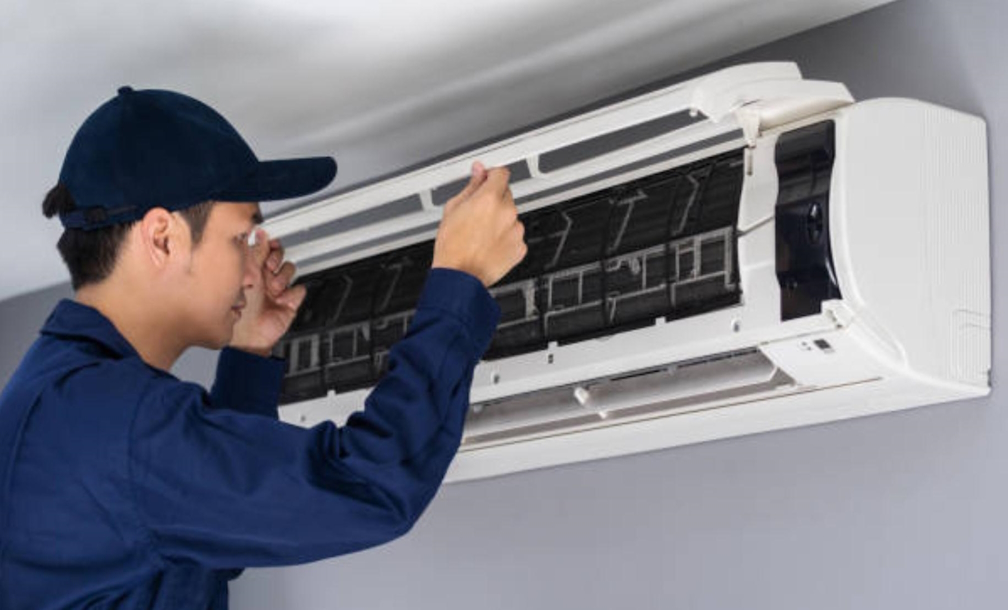
Improving ventilation can help reduce the symptoms of rising damp and prevent the buildup of moisture. Ensure that your home is well-ventilated by opening windows regularly and using extractor fans in areas prone to moisture, such as bathrooms and kitchens. Additionally, consider installing air bricks or vents to improve airflow in problem areas.
4. Repair Damaged Damp-Proof Course
A damp-proof course (DPC) is a horizontal barrier installed in walls to prevent moisture from rising. If your DPC is damaged or missing, it will need to be repaired or replaced. There are several methods for repairing a DPC, including:
- Chemical Injection: This involves injecting a water-repellent solution into the walls to create a new DPC.
- Electro-osmotic Systems: These systems use electrical currents to repel moisture away from the walls.
- Physical Barriers: Installing a new physical barrier, such as a plastic membrane, can also be effective.
Consult with a professional to determine the best method for your specific situation.
5. Remove Contaminated Plaster
Once the DPC is repaired, it's important to remove any plaster that has been contaminated by salts or moisture. This contaminated plaster can continue to draw moisture from the walls and cause ongoing issues. Replace the damaged plaster with a salt-resistant, breathable plaster to prevent future problems.
6. Repair or Replace Damaged Flooring
Rising damp can also affect flooring, particularly if it is in direct contact with the ground. Check for signs of dampness or damage in your flooring and take appropriate action. This may involve:
- Replacing damaged floorboards or tiles.
- Installing a damp-proof membrane beneath the flooring.
- Ensuring proper ventilation beneath suspended floors.
Addressing flooring issues can help prevent moisture from spreading throughout your home.
7. Monitor and Maintain
After completing the necessary repairs, it's important to monitor the affected areas for any signs of recurring damp. Regular maintenance is key to preventing future issues. Here are some tips for ongoing maintenance:
- Keep Gutters and Downpipes Clear: Blocked gutters and downpipes can lead to water overflow, which can exacerbate damp issues.
- Check for External Damage: Inspect the exterior of your home for cracks or damage that could allow moisture to penetrate.
- Maintain Good Ventilation: Continue to ensure good airflow throughout your home.
8. Seek Professional Help
While some rising damp issues can be addressed with DIY methods, others may require professional intervention. If you're unsure about the severity of the problem or the best course of action, it's wise to seek the advice of a professional damp specialist. They can provide a comprehensive assessment and recommend the most effective treatment options.
Conclusion
Addressing rising damp issues is essential to protect your home from structural damage and maintain a healthy living environment. By identifying the symptoms, confirming the cause, improving ventilation, repairing the damp-proof course, removing contaminated plaster, repairing damaged flooring, and performing regular maintenance, you can effectively tackle rising damp and prevent future problems. When in doubt, consult with a professional to ensure that your home remains dry and comfortable.